Russian Drone Hits Romania Apartment Block, Injuring Two
A NATO country just crossed a line nobody wanted to reach.

A Russian drone slammed into the roof of a 10-story apartment building in Romania early Friday morning, detonating its full explosive payload, sparking a fire on the top floor, and injuring two people. It was the first time a Russian drone had ever struck a densely populated area inside NATO territory and caused casualties. The implications of that sentence are worth sitting with for a moment.
The city of Galati sits in Romania's far southeast, right on the border with Ukraine. Just across the Danube River is Izmail, home to Ukraine's largest port on the waterway and a place Russia has been hammering with drone attacks for months. The geography alone makes incidents like this feel almost inevitable. But "almost inevitable" and "actually happened" are two very different things when you're talking about an explosive drone detonating on top of a civilian apartment building inside a NATO country.
What Happened in Galati
The strike occurred during the early hours of May 29, 2026, while Russia was conducting an overnight drone attack on Ukrainian infrastructure targets near the Romanian border. Romania's defense ministry confirmed that the drone entered national airspace at 1:54 a.m. and flew toward the eastern side of Galati before radar lost track of it south of the city.
Minutes later, it crashed into the roof of a residential apartment block. The entire explosive payload detonated on impact, meaning there was no risk of a secondary explosion, but the blast was enough to start a fire on the 10th floor, damage two stairwells, and wreck five cars parked below. Seventy residents were evacuated from the building. A woman and her child were taken to a hospital with minor injuries, and two other people were treated on site for panic attacks.
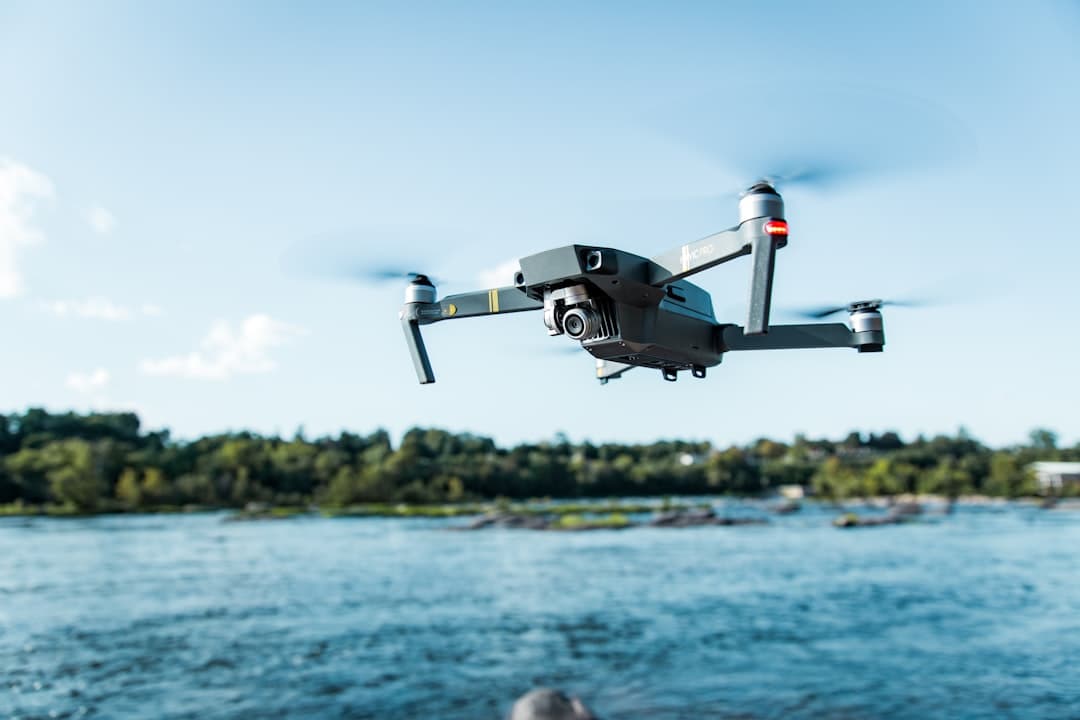
The charred rooftop was visible in photos that circulated online Friday morning. Romanian emergency explosives specialists confirmed that wreckage at the site matched a Russian Shahed/Geran-2 drone, a one-way attack drone that Russia has been using in large numbers throughout the war in Ukraine.
Why This Drone Ended Up in Romania
The Geran-2 drones Russia launches at Ukrainian targets navigate using GPS and inertial guidance systems. They fly to pre-programmed coordinates. But Ukrainian electronic warfare jamming and other defensive interference frequently knock them off course. When your target is a port city sitting right on a river that also happens to be an international border, "off course" can mean "inside NATO airspace" very quickly.
This was the 28th time a Russian drone had breached Romanian airspace since Moscow began targeting Ukrainian Danube ports. But all the previous breaches had resulted in either no damage at all or minor property damage. An April 2026 incident saw a drone hit an electricity pole and a household annex near the border. Friday's strike moved things to a new level. This was the first time a drone hit a building full of sleeping people in a major city. And it was the first time anyone got hurt.
Brigadier General Gheorghe Maxim explained at a press conference that the drone was in Romanian airspace for only four minutes and was flying low, making it extremely difficult for radar to detect. He also noted that the U.S. anti-drone system Merops was operational in the area but would have been too risky to fire in a populated city.
Romania's Response
Romania scrambled two F-16 fighter jets and a military helicopter as soon as drones were detected near its airspace. The pilots were authorized to engage and shoot down any drone threats throughout the duration of the alert. Residents across three border counties, Braila, Galati, and Tulcea, received warnings through the Ro-Alert emergency notification system telling them to take cover.
Romanian law already allows the military to shoot down drones during peacetime if lives or property are threatened. But Romania has not actually done so yet. That restraint is partly diplomatic (shooting down a Russian drone is a much bigger geopolitical move than condemning one) and partly practical (these drones fly low, fast, and in populated areas where shooting them down could cause its own damage).
The diplomatic response was swift. Romania summoned Moscow's ambassador to the foreign ministry. Foreign Minister Oana-Silvia Toiu called the incident "a serious and irresponsible escalation by the Russian Federation" and a violation of international law. She confirmed the drone was carrying explosives and had been part of Russia's attack on Ukrainian infrastructure before it veered into Romanian territory. Romania formally requested that the EU and NATO accelerate the transfer of anti-drone defense systems to the country. Prime Minister Ilie Bolojan said Romania would strengthen its own anti-drone program using an EU financial instrument.
NATO's Reaction
NATO Secretary-General Mark Rutte was in contact with Romanian authorities within hours. "Russia's reckless behaviour is a danger to us all," he wrote on social media. NATO's official spokesperson condemned Russia's actions and said the alliance would continue strengthening defenses against drone threats.
Finnish President Alexander Stubb said Russia was "crossing another line in its war of aggression against Ukraine." Latvian President Edgars Rinkevics expressed "full solidarity" with Romania. European Commission President Ursula von der Leyen said the EU was actively drafting a 21st package of sanctions against Russia, calling the drone strike proof that Moscow "has crossed yet another line."
What the incident does not do, at least according to current official assessments, is trigger NATO's Article 5 collective defense clause. Article 5 states that an armed attack on one NATO member is considered an attack on all members. But a single drone that appears to have gone off course during an attack on a neighboring country doesn't meet that threshold, at least not by the standards anyone is currently applying. Still, each escalation narrows the gap between "spillover" and something NATO might have to treat differently.
The Article 5 Question
This is where the situation gets uncomfortable for Americans specifically. President Donald Trump has hinted that the United States might not honor Article 5 commitments in all cases, raising questions about whether the alliance's core security guarantee still holds the same weight it once did. That ambiguity matters a lot when Russian drones are physically detonating on apartment buildings inside NATO countries.
Russia, for its part, has been openly aggressive in its rhetoric toward NATO's eastern members. Moscow's Foreign Intelligence Service recently warned Baltic nations that their NATO membership would not protect them from retaliation if they allowed Ukraine to launch attacks from their territory. Moscow has also published lists of European facilities involved in manufacturing drones and components for Ukraine, a move widely interpreted as a thinly veiled threat.
Ukrainian President Volodymyr Zelensky used the moment to press the U.S. for more Patriot air defense missiles, arguing that better air defense for Ukraine would also mean fewer Russian drones ending up in NATO countries.
Drone Warfare Is Hitting Both Sides
It's not just Russian drones causing problems. Ukrainian drones have strayed into Baltic countries' airspace in recent weeks, creating their own diplomatic messes. Latvia's previous government actually collapsed partly because of a political fight over how the defense minister handled wayward Ukrainian drones that flew into Latvian airspace, reportedly knocked off course by Russian electronic jamming. A new Latvian government was appointed just the day before the Romania strike.
And Ukraine has been launching its own aggressive drone campaign deep into Russia. On May 4, a Ukrainian drone struck a 52-story luxury residential tower in Moscow called Dom na Mosfilmovskoy, hitting near the 36th floor. The building sits about 3.7 miles from the Kremlin and its residents reportedly include Russia's Agriculture Minister and members of the ruling United Russia party. Moscow's mayor called it one of the largest attempts to attack Moscow with drones ever.
Russia responded by deploying a new counter-drone variant of its Pantsir air defense system onto Moscow skyscrapers. Video footage showed a massive Mi-26 helicopter lowering a Pantsir-SMD-E system onto the roof of the 42-story Nordstar Tower in central Moscow, not far from the Kremlin. The system was specifically designed to shoot down small drones, though previous Pantsir models have earned a mixed reputation after reportedly poor performance in Syria and Libya.
What Comes Next
The geographic reality of this situation means more incidents are structurally likely. Romania shares a 400-mile land border with Ukraine, much of it running along the Danube. Russia has explicitly said it plans "systematic strikes" on Ukrainian targets, and the Danube ports remain high on the list. Every time Russia launches a swarm of drones at Izmail or other riverside targets, some of those drones risk crossing into Romania.
Romania has been patient so far. Twenty-eight airspace breaches, and no Russian drone has been shot down by Romanian forces. But a woman and her child are now in a hospital because a Russian explosive drone detonated on their apartment building. The political space for patience is shrinking. The next time an F-16 pilot gets authorization to engage, there may be a very different outcome. And the consequences of that are something no one in NATO, Washington, or Moscow can fully predict.
Most read
This week